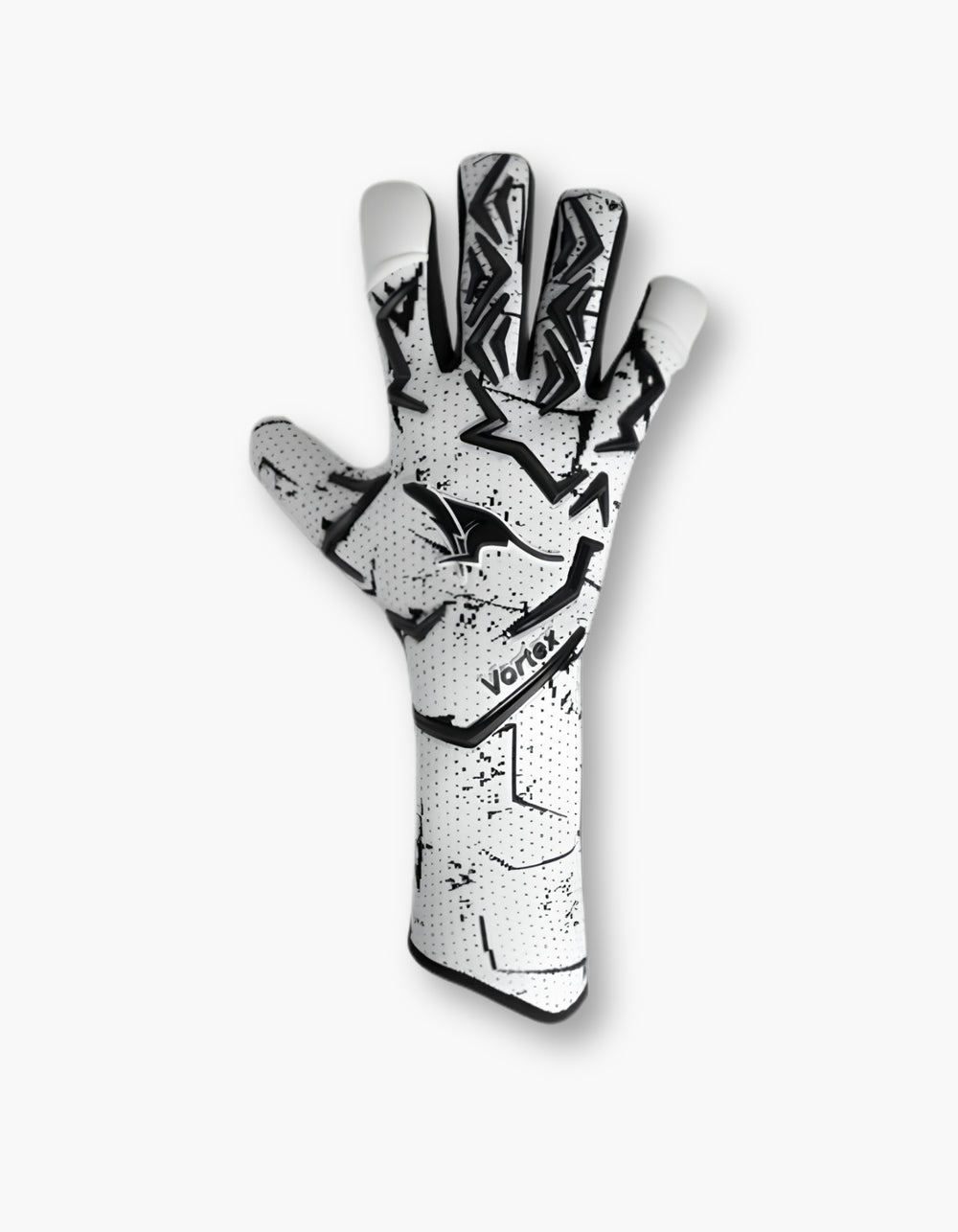
Choosing the right goalkeeper gloves
can have a direct impact on your grip, ball control, comfort, and confidence
during a match. With different glove cuts available, it can be difficult to
understand which design suits your playing style. Two popular options are negative cut goalkeeper gloves and negative roll
goalkeeper gloves.
What
Are Negative Cut Goalkeeper Gloves?
Negative
cut goalkeeper gloves are designed with the stitching
placed on the inside of the glove. This construction creates a close and snug
fit around the fingers and hand. Because there is less excess material,
goalkeepers get a more natural feel when handling the ball.
The close-fitting design makes
negative cut gloves particularly popular among goalkeepers who prefer
precision, flexibility, and excellent finger movement. They can be a good
choice for players with slimmer hands who want their gloves to feel secure
without unnecessary space around the fingers.
What
Are Negative Roll Goalkeeper Gloves?
Negative roll goalkeeper gloves combine elements of a negative cut with a rolled finger
construction. The latex wraps around the sides of the fingers, increasing the
contact area between the glove and the ball.
This design can provide a
comfortable, close-fitting feel while offering more latex coverage around the
fingers than a traditional negative cut. For goalkeepers who want a balance
between a snug fit and increased ball contact, negative roll gloves can be an
interesting option.
Negative
Cut vs Negative Roll: Key Differences
The main difference is the
construction around the fingers. Negative cut gloves focus on a tight,
streamlined fit, while negative roll gloves combine that close fit with rolled
latex around the fingers.
Negative cut gloves may appeal to
goalkeepers who prioritize finger mobility and a close connection with the
glove. Negative roll gloves can be suitable for players looking for additional
latex coverage and a slightly different feel when making saves.
However, glove performance also
depends on factors such as latex quality, palm thickness, backhand construction,
wrist closure, and playing conditions.
Which
Goalkeeper Gloves Should You Choose?
There is no single glove cut that
works best for every goalkeeper. Your hand shape, preferred fit, playing style,
and personal comfort should all be considered before making a decision.
If you prefer a tight, lightweight
glove with a precise feel, negative cut
goalkeeper gloves may be worth considering. If you want a close fit
combined with additional latex coverage around the fingers, negative roll goalkeeper gloves may be
a better match.
Before buying, always check the
glove's size and construction carefully. A properly fitted goalkeeper glove
should feel secure without restricting natural finger movement.
Whether you choose a negative cut or
negative roll design, selecting the right combination of fit, grip, comfort,
and durability can help you feel more confident every time you step onto the
pitch.